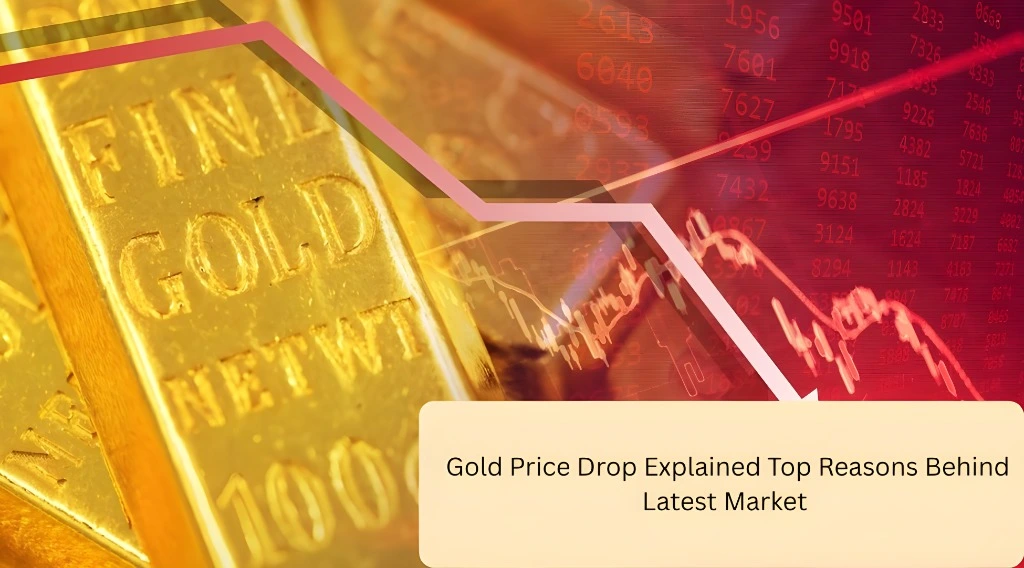
Gold Price Drop Explained Top Reasons Behind Latest Market.
Live Price Of Gold Today Gold prices are falling because the market is reacting to a stronger U.S. dollar, higher interest-rate expectations, rising Treasury yields, weaker ETF demand, and profit-taking after a big rally.
For many people, gold feels like a safe investment. That is true in many situations. But gold does not move up every day. Sometimes, even a strong asset needs to cool down.
This recent gold price correction has made many investors ask the same question: why are gold prices falling now?
Let’s explain everything in simple words.
What Is Happening to Gold Prices?
A correction happens when the price of an asset falls after rising too much or too quickly. It does not always mean the long-term trend is finished. It only means the market is adjusting.
Gold had a strong rally before this pullback. Many traders made good profits, and now some of them are selling. At the same time, the U.S. dollar has become stronger, and investors are worried that interest rates may stay high or rise again.
These factors are putting pressure on gold prices.
What Is a Gold Price Correction
So, a gold correction does not always mean gold is weak forever. It often means the market is taking a break.
Main Reasons Why Gold Prices Are Falling
There is no single reason behind why are gold prices falling?. Several factors are working together.
The U.S. Dollar Is Stronger
This can reduce global demand.
For example, if someone in India, Pakistan, Europe, or the Middle East wants to buy gold, a strong dollar means they may need to pay more in their local currency. When gold becomes more expensive for these buyers, demand can slow down that is why gold prices are falling.
That is why a strong U.S. dollar is usually negative for gold prices.
Interest-Rate Expectations Are Hurting Gold
Gold does not pay interest.
This is very important to understand.
When interest rates are low, investors are often more interested in gold because other safe assets do not offer much return. But when interest rates rise, investors can earn money from bonds, savings products, and other interest-paying assets.
Because gold does not provide income, it becomes less attractive in a high-rate environment.
This is one of the biggest reasons gold prices are under pressure right now.
Treasury Yields Are Rising
Treasury yields also affect gold prices.
When U.S. Treasury yields rise, investors can earn better returns from government bonds. These bonds are considered safer by many investors.
Gold, on the other hand, does not pay any yield.
So when bond yields are attractive, some investors reduce their gold exposure and move money into fixed-income assets.
In simple words, gold faces more competition when Treasury yields rise.
What Is a Gold Price Correction
Gold had a strong upward move before this correction. When prices rise quickly, many traders decide to take profit.
This is normal.
Large investors, funds, and short-term traders often sell after a big rally. Their selling can push prices lower, especially when other market signals are also negative.
Profit-taking does not mean gold has lost its value. It simply means some investors are locking in their gains.
Gold ETF Demand Is Weaker
Gold ETFs allow investors to buy gold exposure without holding physical gold.
When ETF demand is strong, it can support gold prices. But when ETF investors start selling, it can put pressure on the market.
Weak ETF demand shows that some investors are moving away from gold in the short term. This usually happens when interest rates look more attractive or when the dollar is strong.
ETF flows are important because they show investor sentiment.
If ETF buying returns, gold may get support again. If ETF selling continues, prices may stay under pressure.
The Federal Reserve Is Still a Key Factor
The Federal Reserve plays a big role in gold price movement.
When the Fed sounds strict about inflation, markets expect higher rates. Higher rates are usually bad for gold.
When the Fed sounds softer, gold often gets support because investors expect lower rates in the future.
This is why gold traders closely watch Fed meetings, inflation reports, and economic data.
Even one statement from the Fed can move gold prices quickly.
Inflation Worries Are Creating Mixed Signals
Gold is often called an inflation hedge. Many people buy gold when they worry that money is losing value.
But inflation can also create a problem for gold.
If inflation stays high, central banks may keep interest rates high. Higher interest rates can hurt gold because gold does not pay interest.
So inflation can help gold in one way but hurt it in another way.
This is why gold is not always simple to predict.
Geopolitical Tensions Are Not Giving Strong Support
Gold usually performs well during uncertain times. Wars, conflicts, banking problems, and global fear can increase demand for gold.
But this time, geopolitical tension is not helping gold as much as expected.
Why?
Because investors are also thinking about inflation and interest rates. If conflicts push oil or energy prices higher, inflation may rise. If inflation rises, central banks may keep rates higher for longer.
That can reduce gold’s safe-haven strength in the short term.
Is Gold Still a Safe-Haven Asset?
Yes, gold is still a safe-haven asset.
But a safe-haven asset does not always rise every day. Gold can fall in the short term and still remain important for long-term investors.
- Gold is often used as protection against:
- Inflation
- Currency weakness
- Financial uncertainty
- Banking stress
- Market panic
- Geopolitical risk
- Long-term loss of purchasing power
So, the current fall does not mean gold is useless. It only means short-term market conditions are not fully supporting gold right now.
Could Gold Prices Fall Further?
Gold prices could fall further if the U.S. dollar stays strong, Treasury yields keep rising, and the Federal Reserve continues to sound hawkish.
If investors believe rates will stay higher for longer, gold may remain under pressure.
However, gold also has strong long-term support from central-bank buying, inflation concerns, and global uncertainty.
So the market may stay volatile. Gold can move up and down quickly depending on the latest economic news.
Investors should not expect a straight-line recovery or a straight-line crash.
What Should Investors Watch Next?
If you follow gold prices, these are the most important things to watch.
U.S. Dollar Index
A stronger dollar usually puts pressure on gold. A weaker dollar can help gold recover.
Federal Reserve Announcements
Gold reacts strongly to Fed comments. Any signal about rate hikes or rate cuts can move gold prices.
Inflation Data
Inflation reports are important because they affect interest-rate expectations.
Treasury Yields
Higher yields can hurt gold. Lower yields can support gold.
Gold ETF Flows
ETF buying can support gold prices. ETF selling can push prices lower.
Central-Bank Buying
Central banks are major gold buyers. Their demand can support gold over the long term.
Is It a Good Time to Buy Gold?
This depends on your goal.
If you are a long-term investor, a gold correction may give you a better entry point. But it is still better to buy slowly instead of putting all your money in at once.
If you are a short-term trader, you need to be careful. Gold can remain volatile when the dollar, interest rates, and inflation data are moving fast.
A simple strategy is to avoid emotional buying. Do not buy only because the price has dropped. Also, do not sell in panic without looking at the bigger picture.
Simple Tips for Gold Buyers
Here are some easy tips if you are thinking about buying gold.
Buy in small parts instead of all at once.
Watch the U.S. dollar before buying.
Follow Federal Reserve updates.
- Check inflation data.
- Avoid social media hype.
- Keep gold as part of a balanced investment plan.
- Do not expect quick profits every time.
- Think long term if you are buying physical gold.
- Gold can protect wealth, but it should not be your only investment.
Final Thoughts
Gold prices are falling because several market forces are working against gold right now. A stronger U.S. dollar, higher interest-rate expectations, rising Treasury yields, profit-taking, and weak ETF demand are all putting pressure on prices.
But this does not mean gold has lost its value.
Gold is still a major safe-haven asset and a long-term store of wealth. The current correction simply shows that short-term conditions have changed.
For now, investors should watch the Federal Reserve, the U.S. dollar, inflation data, ETF flows, and Treasury yields. These factors will likely decide the next major move in gold prices.
Gold is not dead. It is only going through a correction.
FAQs About Gold Prices Falling
Why are gold prices falling now?
Gold prices are falling because the U.S. dollar is stronger, interest-rate expectations are higher, Treasury yields are rising, ETF demand is weaker, and many traders are taking profit after a strong rally.
Does a strong dollar make gold cheaper?
A strong dollar usually puts pressure on gold. Since gold is priced in U.S. dollars, it becomes more expensive for buyers using other currencies. This can reduce demand and push prices lower.
Why do higher interest rates hurt gold?
Higher interest rates hurt gold because gold does not pay interest. When investors can earn returns from bonds or savings products, some of them move money away from gold.
Is gold still a good investment?
Gold can still be useful for long-term wealth protection, but it should be part of a balanced plan. It may not be suitable for people looking for quick profits.
Can gold prices recover again?
Yes, gold prices can recover if the U.S. dollar weakens, interest-rate fears ease, ETF demand improves, or global uncertainty increases safe-haven buying.
Should I buy gold during a correction?
You can consider buying slowly during a correction if your goal is long term. But avoid investing all your money at once, and always check market conditions before buying.
What is the biggest factor affecting gold right now?
The biggest factors are the U.S. dollar, Federal Reserve policy, interest-rate expectations, Treasury yields, and investor demand through gold ETFs.
Conclusion
Gold prices are falling because the market is facing pressure from a stronger U.S. dollar, higher interest-rate expectations, rising Treasury yields, weaker gold ETF demand, and profit-taking after a strong rally. These factors have created short-term weakness in the gold market and caused the latest gold price correction.
However, this does not mean gold has lost its long-term value. Gold is still one of the most trusted safe-haven assets and remains important for investors who want protection against inflation, currency weakness, and global uncertainty.
For now, investors should watch the Federal Reserve, U.S. dollar movement, inflation data, Treasury yields, ETF flows, and central-bank buying. These factors will decide whether gold prices continue to fall or start recovering again.
The simple takeaway is this: gold is not finished. It is only going through a correction. Smart investors should stay calm, avoid emotional decisions, and focus on the bigger market picture before buying or selling gold.
One Comment